
The WeSHAPE project, a 25-month research project running from June 1, 2024, to June 30, 2026, is jointly implemented by PHASE Nepal and the Liverpool School of Tropical Medicine (LSTM), with funding support from the British Academy. Implemented across Pokhara Metropolitan City and Panchpokhari Thangpal Rural Municipality, our study utilizes a Participatory Action Research (PAR) approach to examine and address the critical intersections of climate change, public health, and gender equity at both community and institutional levels.
As part of the project’s knowledge-sharing and dissemination activities, we, the research team members, Barsha Rijal, Jyoti Lamichhane, Pratistha Acharya, Samikshya Nepal, and Sujata Adhikari, travelled to the United Kingdom from May 7 to May 22, 2026. As a team deeply involved in the day-to-day implementation of the WeSHAPE project, this visit represented a vital milestone for our work.
The main purpose of our visit to the UK was to present our study findings and actively engage with our academic partners and other key stakeholders. Through this international exchange, we aimed to share our field experiences, receive critical feedback on our ongoing work, and learn from global researchers operating in similar fields.
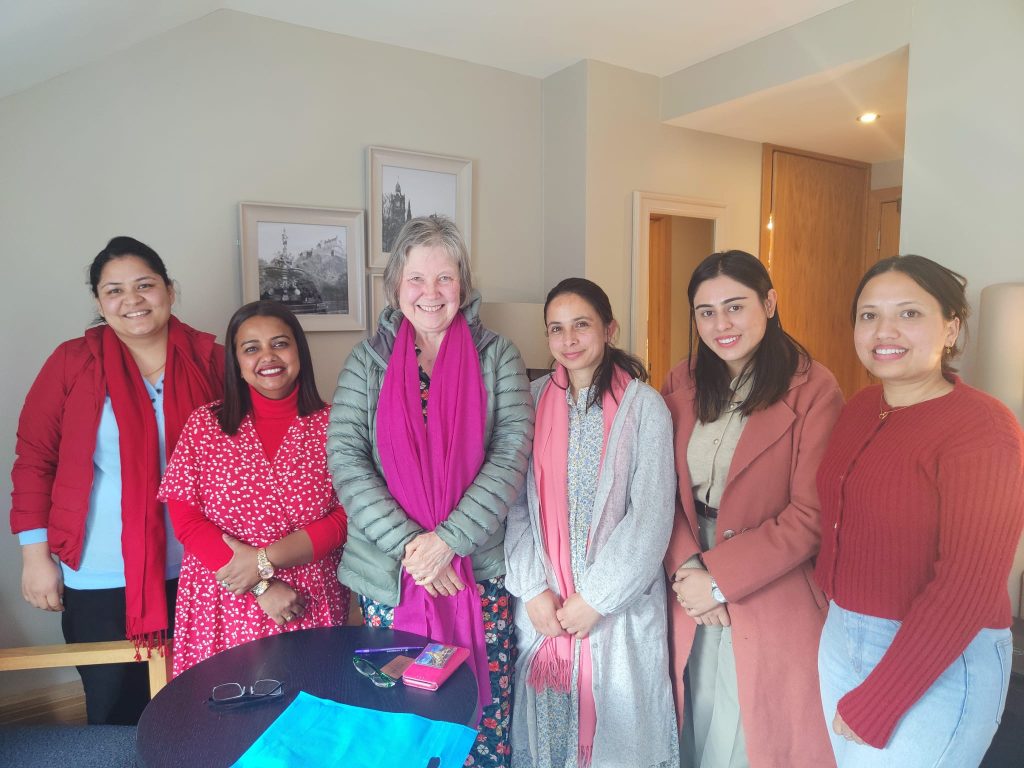
Following arrival in the United Kingdom, we attended the “Rebuilding Life After Stroke” conference at the University of Edinburgh, where the Executive Director of PHASE Nepal, Dr Jiban Karki presented updates on the ongoing stroke project “Life After Stroke” being implemented in Nepal in collaboration with Gorkha Welfare Trust, Manipal Hospital, and the University of Edinburgh.
While in Edinburgh, we also participated in an ethics training session facilitated by Professor Gillian Mead. The training focused on ethical considerations in stroke research and provided valuable insights into maintaining ethical standards throughout the research process.
Beyond these official sessions, the visit created excellent opportunities to network with researchers and practitioners in the field, while allowing us to explore several major attractions and appreciate Edinburgh’s rich cultural and historical significance.
We spent four productive days at the Liverpool School of Tropical Medicine (LSTM), where on first day, we presented the findings of the WeSHAPE project to an audience comprising approximately 25 in-person participants, with additional attendees joining online through Microsoft Teams.
Photovoice outputs were displayed throughout the venue, and the participatory video developed during the project was screened at the end of the session. The subsequent discussion generated considerable interest among participants, particularly regarding the policy developed in Panchpokhari Rural Municipality.
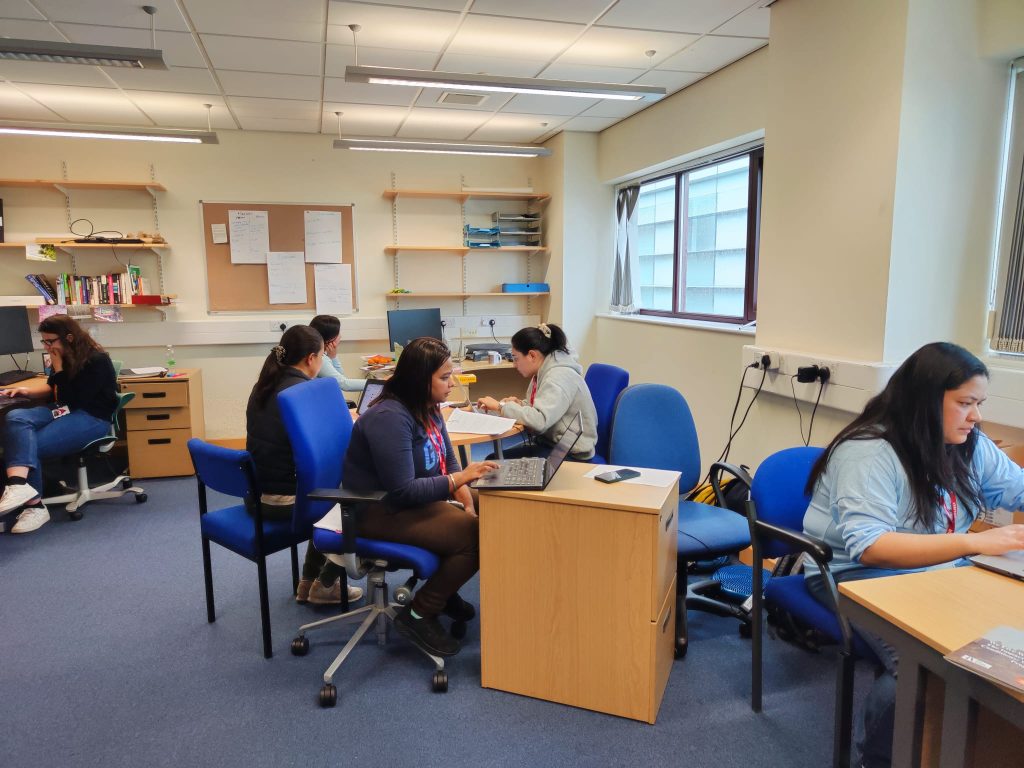
The next two days were spent working on ongoing manuscripts related to the project. Discussions on ongoing manuscripts were facilitated by Professor Rachel Tolhurst and Dr Lana Whittaker, who provided valuable guidance on strengthening the manuscript and identifying future directions. These two days very beneficial for us as it gave us opportunity to identify areas for improvement, and plan the next steps for our publications.
On the final day at LSTM, we discussed potential funding opportunities and future collaborative research initiatives. The visit also provided an opportunity to reconnect with Professor Sally, who had previously visited Nepal during the ARISE project. In our down time, our team thoroughly enjoyed exploring Liverpool landmarks, including the Central Library, Albert Dock, Liverpool Cathedral, Southport Beach, and Anfield Stadium.
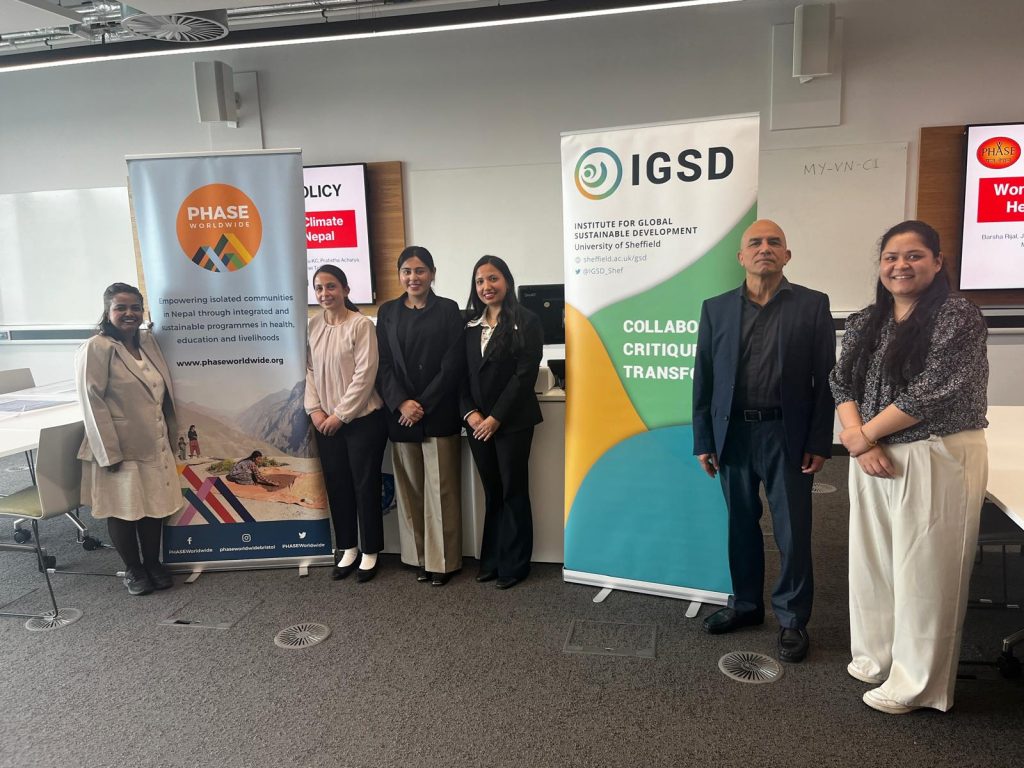
Our final institutional stop was at the University of Sheffield, where we again shared the WeSHAPE findings through a presentation, photovoice exhibition, and participatory video screening. The session was attended by colleagues from the university as well as representatives from PHASE Worldwide, including Dr. Delys, Lindsey, and Fiona.
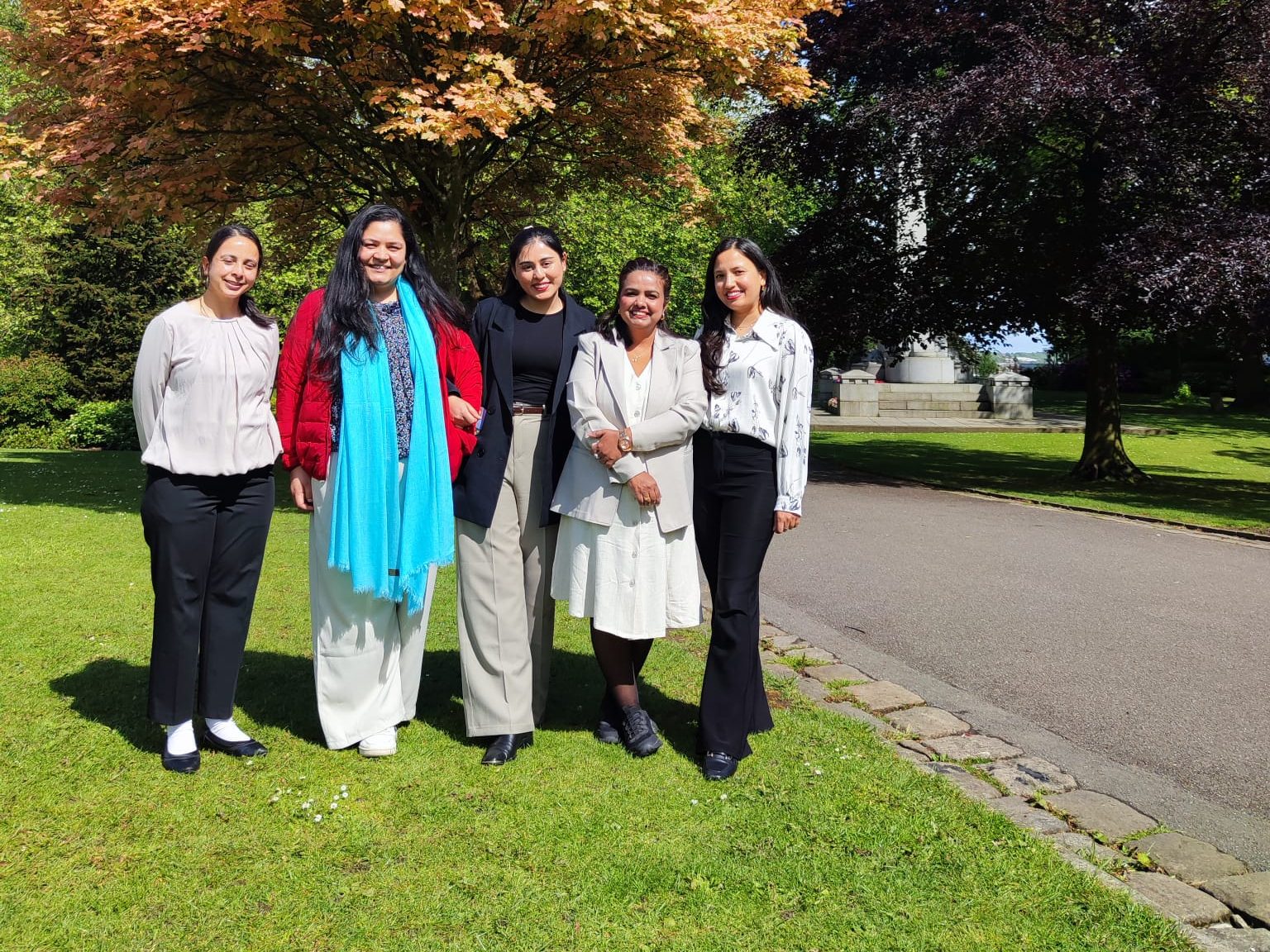
We are thankful to Professor Simon Rushton for providing the opportunity to share the project findings and to Professor Andrew for his valuable feedback and suggestions. Our time in Sheffield concluded with a wonderful exploration of the campus, local museums, and the city’s beautiful gardens.
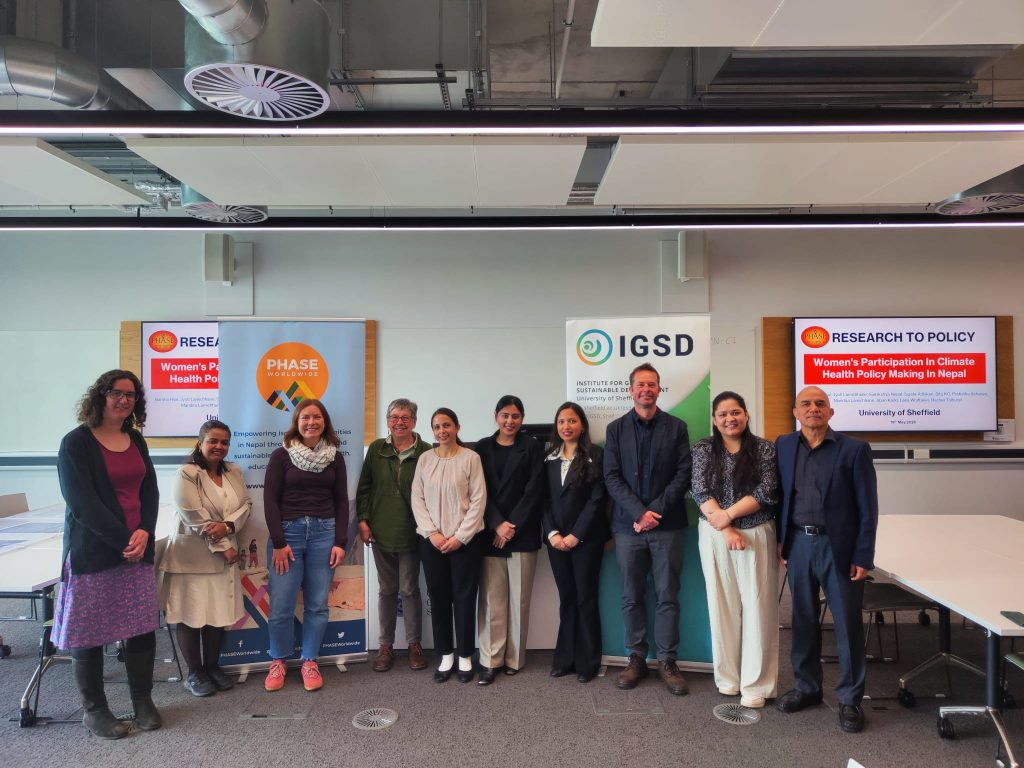
This visit was a valuable learning experience for all of us. Through our interactions with researchers and academics from different institutions, we gained new perspectives on research methods and knowledge-sharing approaches. We found that participants were particularly interested in the participatory approaches used in the WeSHAPE project, including photovoice and participatory video. Working closely with our research partners allowed us to discuss challenges, identify areas for improvement, and plan the next steps for our publications.
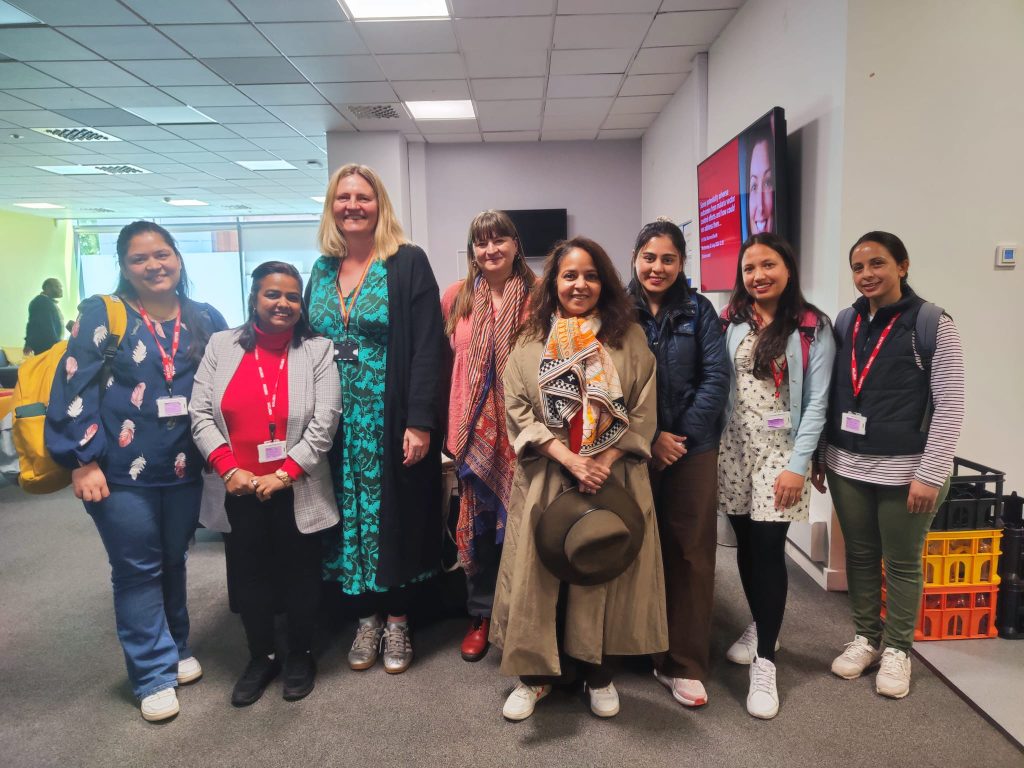
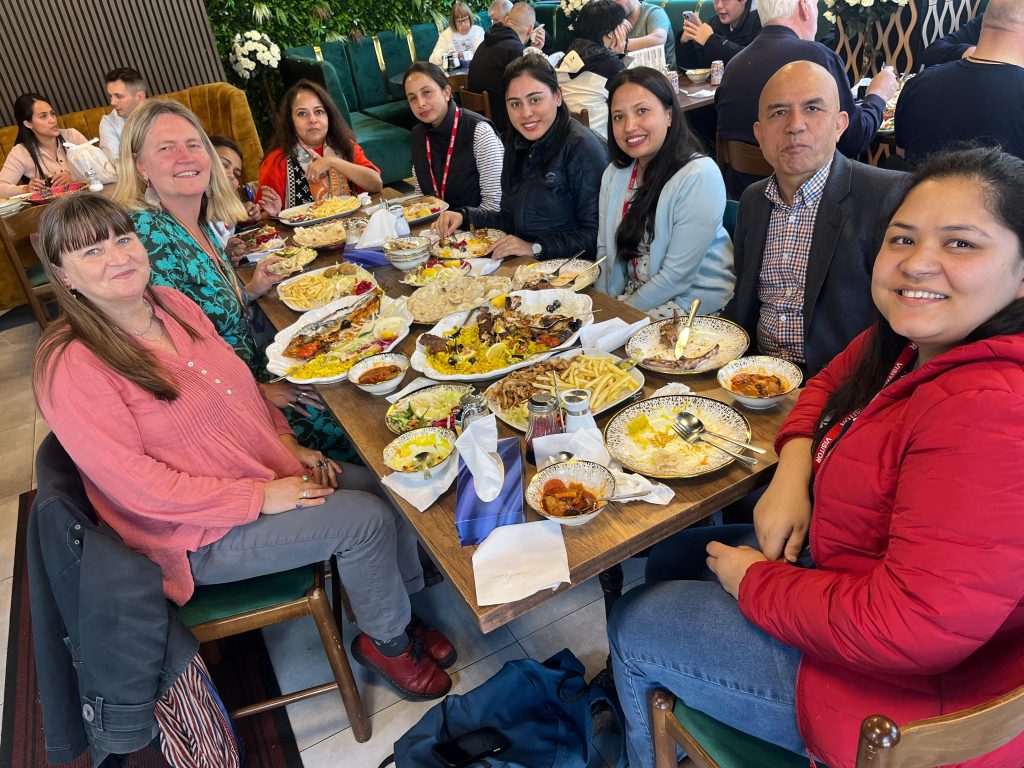
Beyond the formal meetings and presentations, the visit also gave us an opportunity to observe how universities and research institutions in the UK operate. We learned about different approaches to collaboration, research management, and knowledge exchange, which we believe will be useful in our future work. Beyond the research work, we also had the opportunity to explore the UK, visit iconic landmarks, and experience its culture, making the visit both professionally and personally enriching
Overall, our visit to the UK was a meaningful learning and knowledge-sharing experience. We were able to present the findings of the WeSHAPE project, engage with researchers and practitioners, receive valuable feedback, and explore opportunities for future collaboration.
We are sincerely grateful to Professor Rachel Tolhurst, Dr Lana Whittaker, Professor Gillian Mead, Professor Simon Rushton, Dr Jiban Karki, and all our colleagues and partners who supported us throughout the visit. We are especially thankful to Dr Jiban Karki sir and Lokhari ma’am for hosting us and make us feel comfortable and homely throughout our stay.

This experience has further motivated us to continue our work and apply the knowledge and insights gained during the visit to our ongoing and future projects in Nepal.