
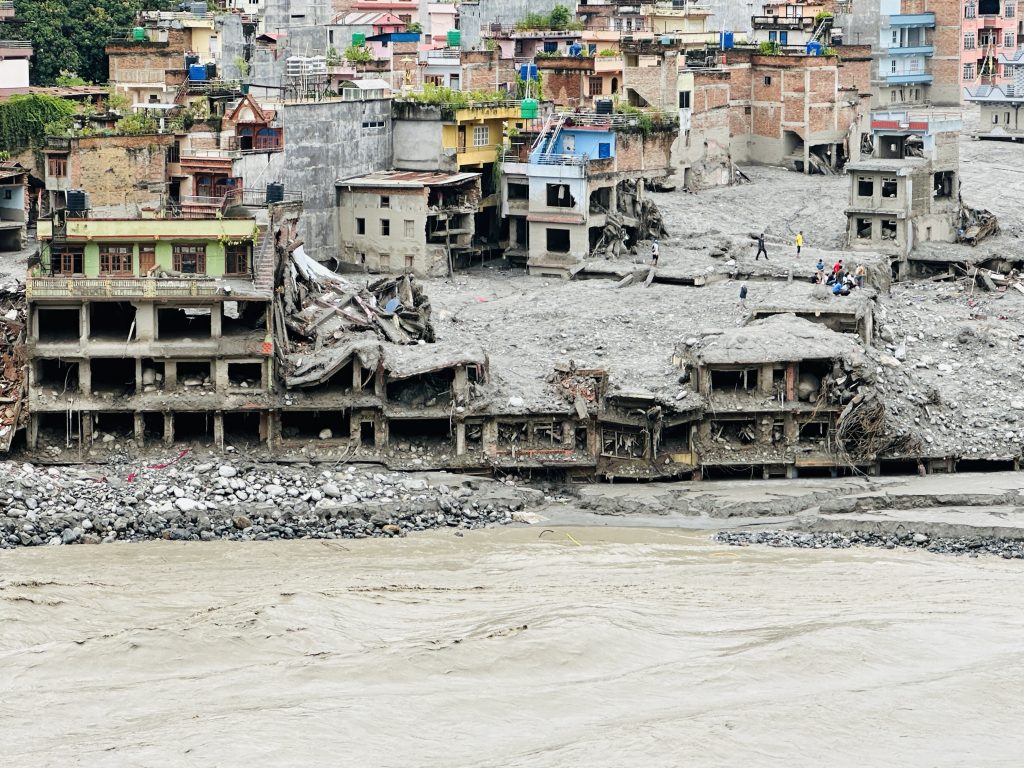
In August 2026, devastating flash floods struck settlements along the Bhote Koshi and Trishuli river systems in northern and central Nepal. The floods caused significant loss of life, displacement and widespread damage to homes, roads, bridges, hydropower facilities, health infrastructure and other essential services. Thousands of people were affected and many communities experienced disruptions to electricity, transportation, healthcare, safe drinking water and livelihoods.
In the immediate aftermath of the floods, PHASE Nepal mobilized its team to affected areas to assess the situation, provide initial relief and coordinate with local governments, health facilities, community representatives and other stakeholders.
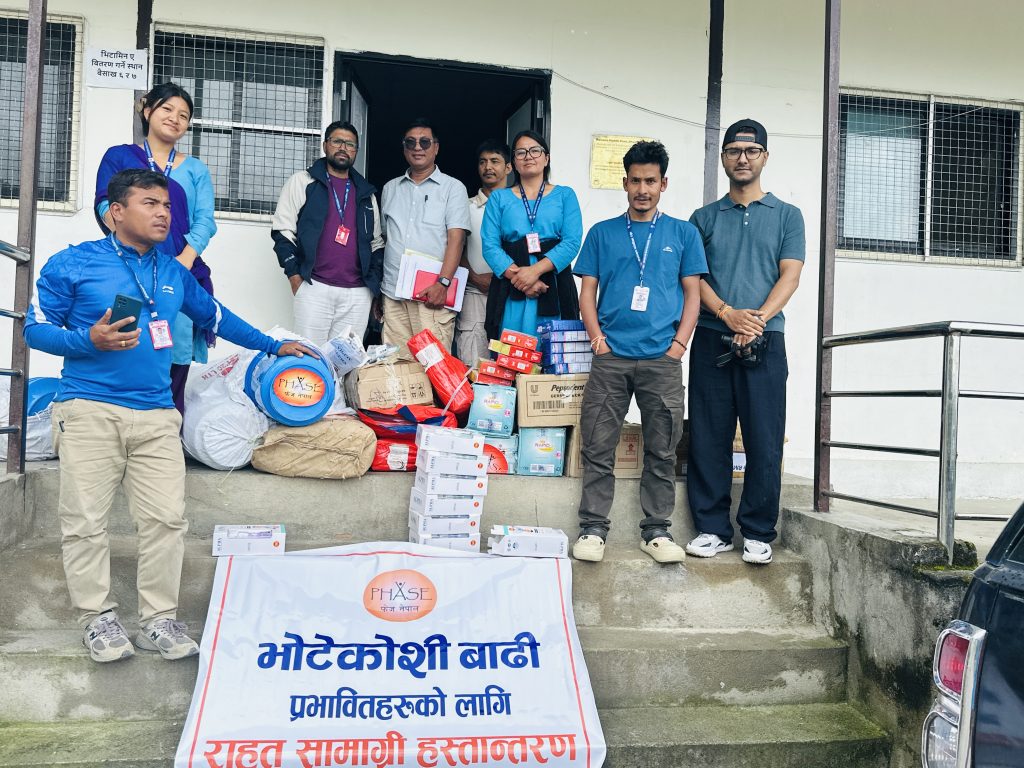
As part of the initial response, PHASE Nepal handed over food supplies to the District Administration Office, Rasuwa and hygiene kits to the District Public Health Office, Rasuwa and Gosaikunda Rural Municipality, supporting the local authorities in immediate relief activities.
Relief and Household Support
PHASE Nepal continued to support flood-affected families as needs evolved. On September 17, 2026, PHASE Nepal distributed food packages to 72 households in Garang, Ramche and Palep settlements of Kalika Rural Municipality, Rasuwa District.
The floods also disrupted electricity services and damaged infrastructure in several affected areas. This created additional challenges for households already coping with displacement, damaged homes and restricted access to essential services. Restoring conventional electricity infrastructure can be particularly difficult in remote settlements.
To address this need, PHASE Nepal provided 100 units of solar power equipmentto Gosainkunda Rural Municipality, Rasuwa, for distribution to households in coordination with local authorities. The allocation included 35 units for Ward No. 3, 35 units for Ward No. 1 and 30 units for Ward No. 5, with the aim of improving access to electricity in remote and hard-to-reach communities.
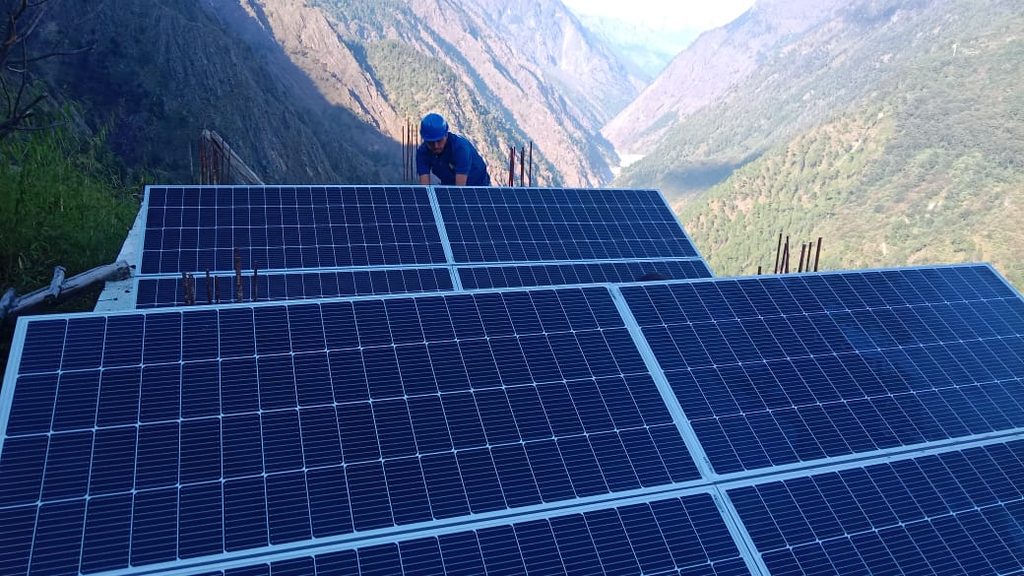
At the health facility level, PHASE Nepal completed the installation of solar energy systems at Thuman and Dahalfedi Health Posts in Gosainkunda Rural Municipality–1 to ensure a reliable electricity supply for essential health services. The systems support lighting and the operation of essential equipment, including refrigerators, heaters, oxygen concentrators and computers. Both systems were reported to be functioning well and meeting the electricity requirements of the respective health facilities. Health representatives and health management teams were also provided with information on the proper use of the installed systems.
Continuity of NCD Medication
For people living with chronic conditions, interruptions in access to regular medication can have serious health consequences. The floods made it more difficult for some residents of Gosaikunda Rural Municipality to obtain essential medicines, particularly those who were displaced or whose usual health facilities and transport routes were affected.
In response, PHASE Nepal is providing a 90-day supply of medication to more than 185 patients living with NCDs in flood-affected communities of Gosaikunda Rural Municipality, Rasuwa. The support covers six health facilities:
- Thuman Health Post
- Briddhim Health Post
- Lingling Health Unit
- Thulo Bharkhu Health Post
- Bharkhu Besi Health Post
- Dhunche Ward No. 6 Health Post
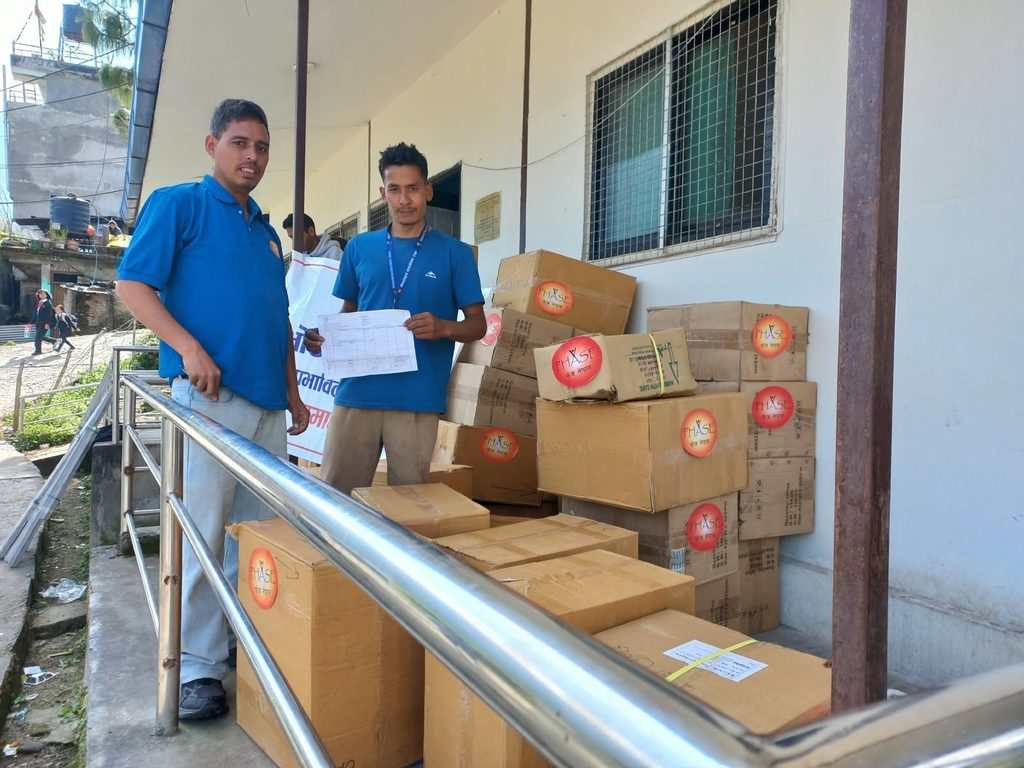
PHASE Nepal has also provided NCD medicines to flood-affected people staying at Yellow Gumba and Mustang Gumba in Kathmandu. These locations serve as temporary holding centres for people from Gosaikunda Rural Municipality who have been displaced or are staying away from their homes.
Restoring Essential Health Services
One of the most significant impacts of the floods has been the destruction of health infrastructure. In Gosaikunda Rural Municipality, two health facilities were swept away, severely disrupting access to essential health services for surrounding communities.
The loss of these facilities has created additional barriers for communities that already face geographical challenges in accessing healthcare. Restoring services is especially important for pregnant women, mothers and children, older people, people living with chronic conditions and others who need regular or timely care.
In response to a request from Gosaikunda Rural Municipality, PHASE Nepal is planning to support the two affected health posts for one year. The support will help maintain access to essential healthcare while communities work towards longer-term recovery. By providing health personnel and essential equipment, PHASE Nepal aims to bridge the service gap created by the destruction of the two facilities and sustain access to basic healthcare during the recovery period.
As part of continuous coordination efforts with local authorities, our Executive Director, Dr. Jiban Karki, along with members of our research team, visited Gosaikunda Rural Municipality and Uttargaya Rural Municipality. During the visit, the team observed the flood-affected areas of Syaprubesi and Betrawati. Through direct observation and discussions with local stakeholders, it was found that the floods have created needs beyond immediate relief, including damaged infrastructure, displacement and loss of homes and community assets. PHASE Nepal has established a relief fund to support priority needs identified through field assessments and consultations with local stakeholders. By combining immediate relief with support for healthcare, household energy and community priorities.
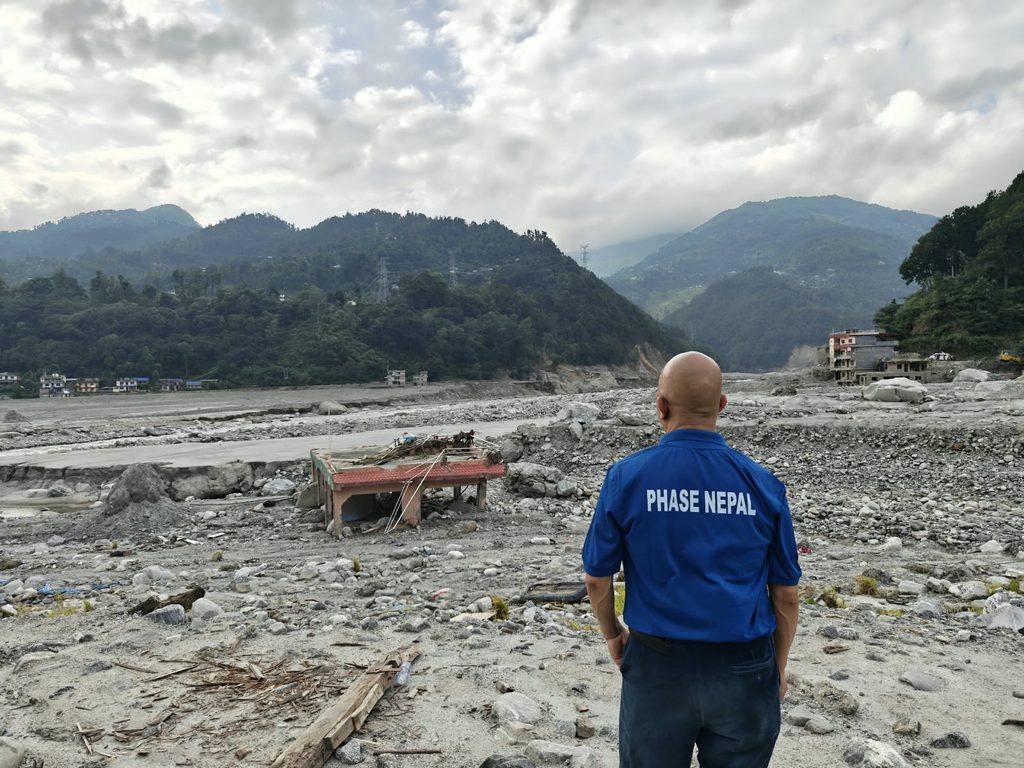
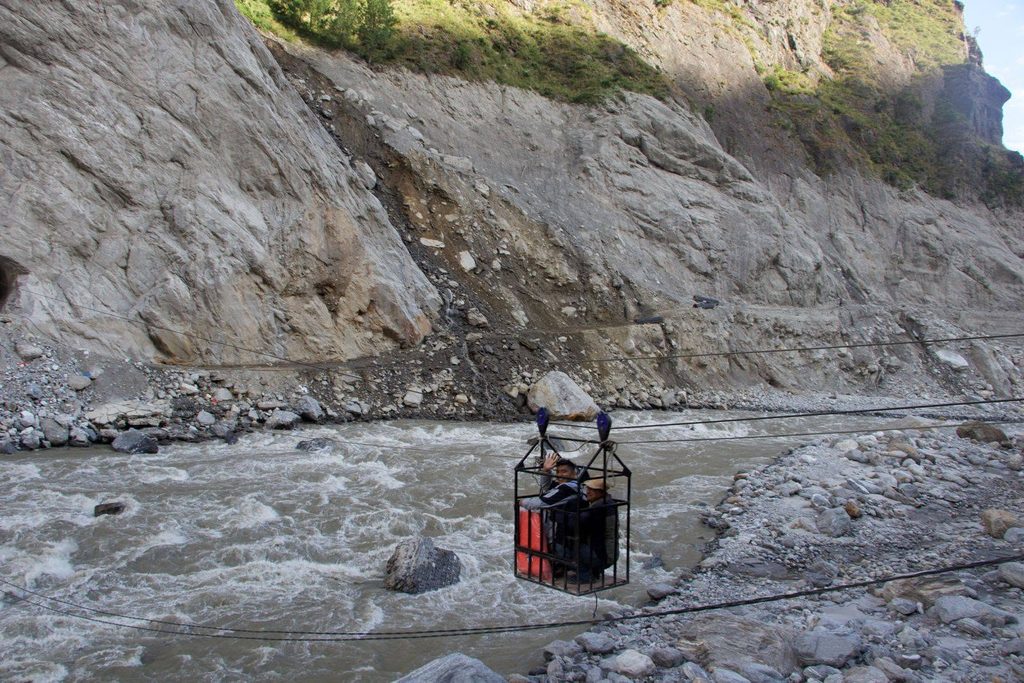
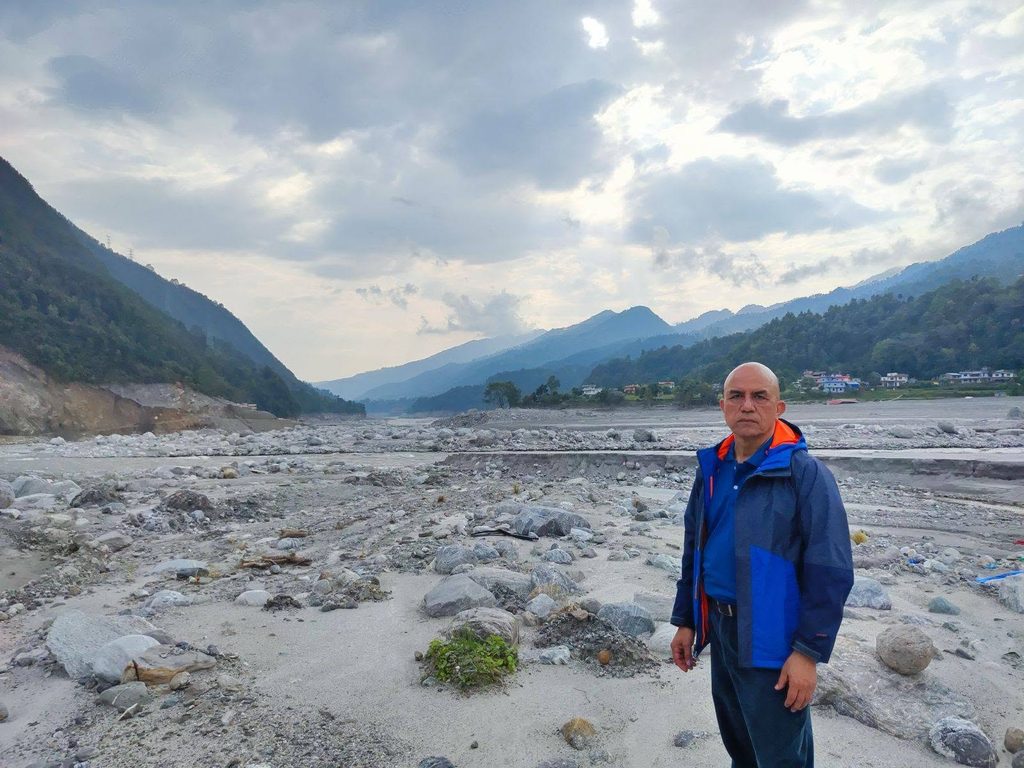
PHASE Nepal aims to help flood-affected communities in Rasuwa and surrounding areas recover and build resilience. We remain committed to standing with affected communities throughout their recovery.